Building the Design Foundations at Built AI
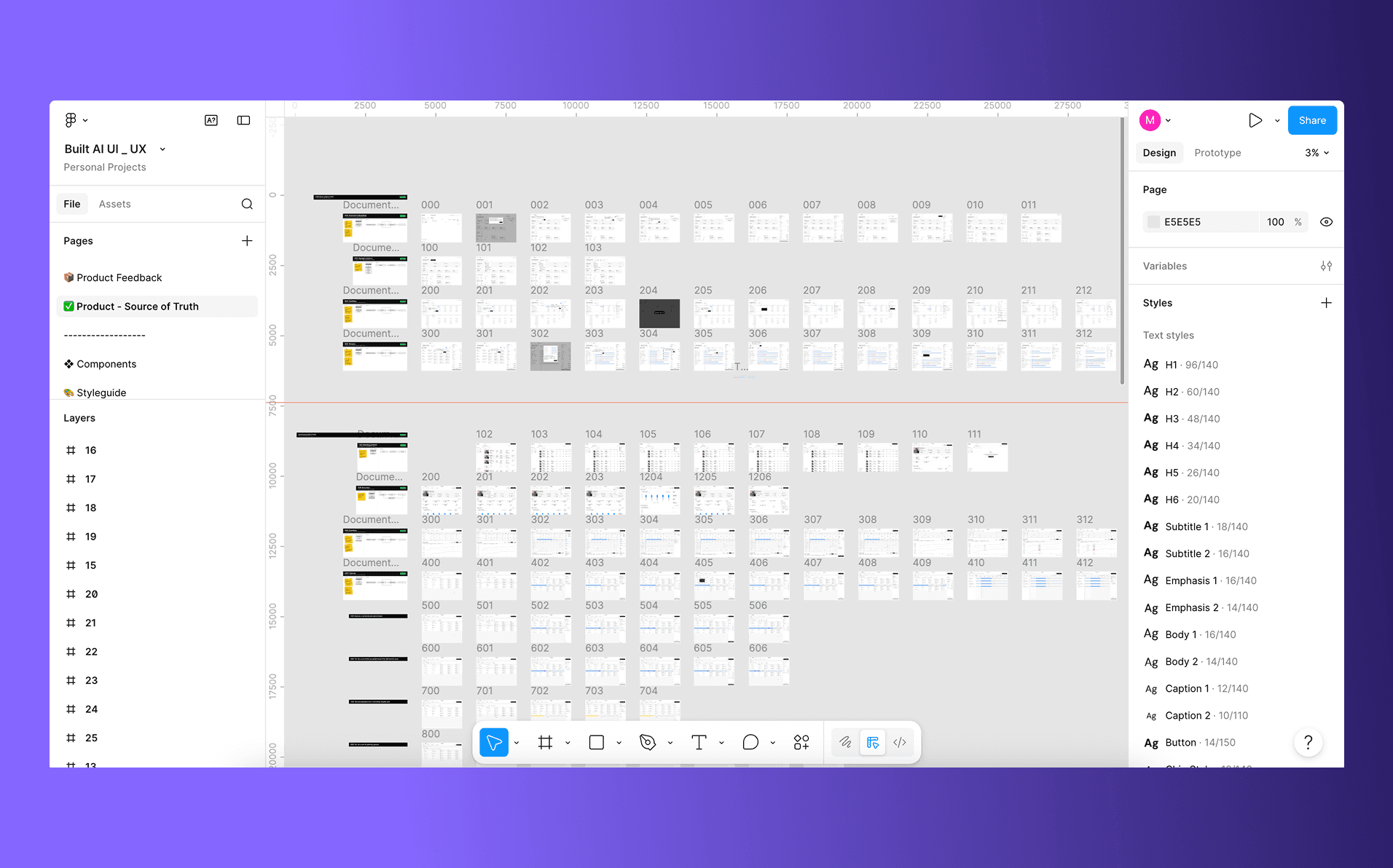
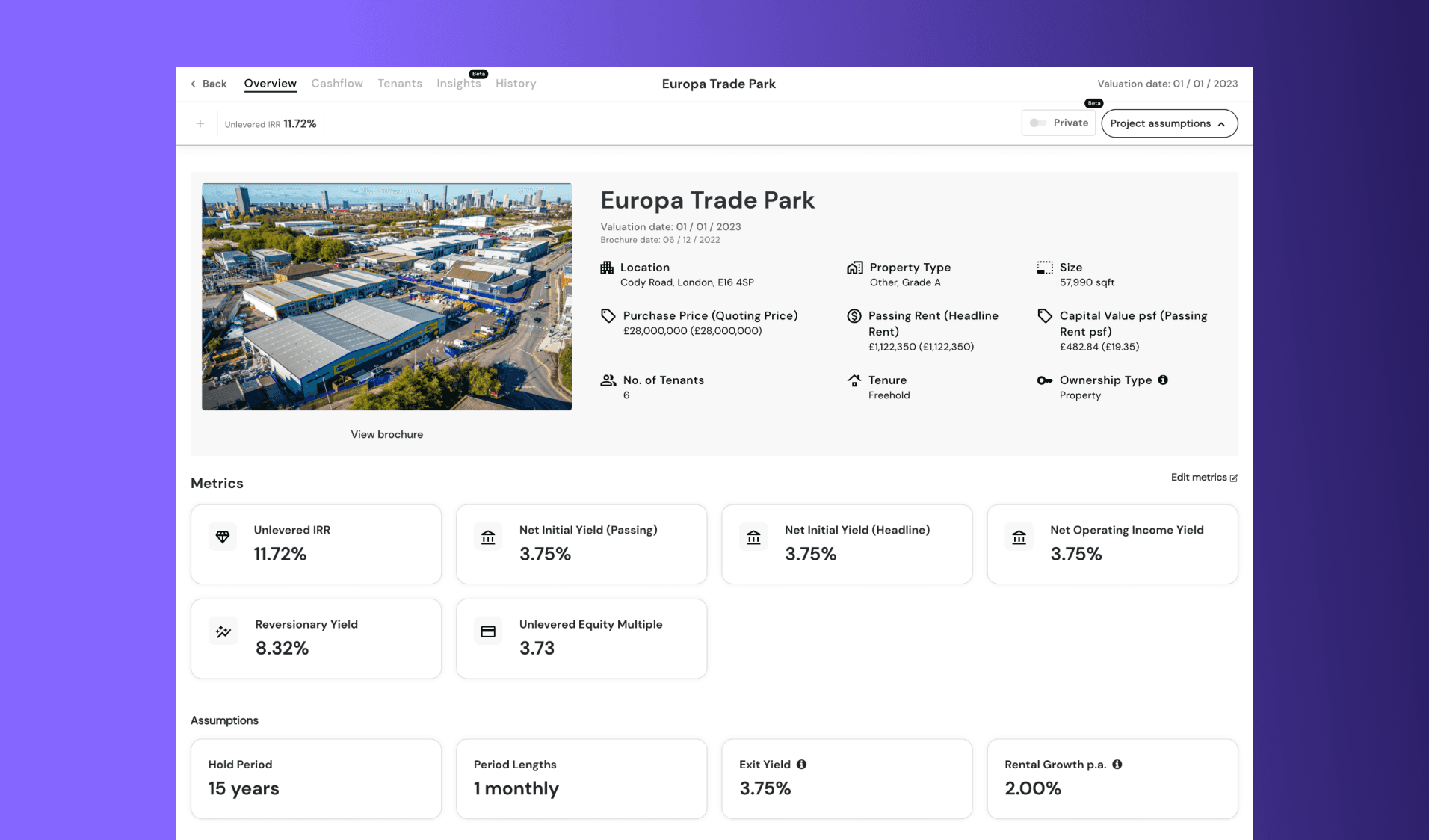
When I joined Built AI, the product was scaling quickly, but the design hadn’t kept up. Everything sat in a single, heavy Figma file from an agency, mixing wireframes and UI with no structure, hierarchy, or clear visual direction. The designs on the ‘Product - Source of Truth’ page were not the ones developers had been working from, and the user journeys were incomplete, making it hard to distinguish what was ready to build. Developers lacked a reliable source of truth, leading to inconsistencies in the live product, drifting UI patterns, and a clear gap between design and what was shipped.
01
Problem
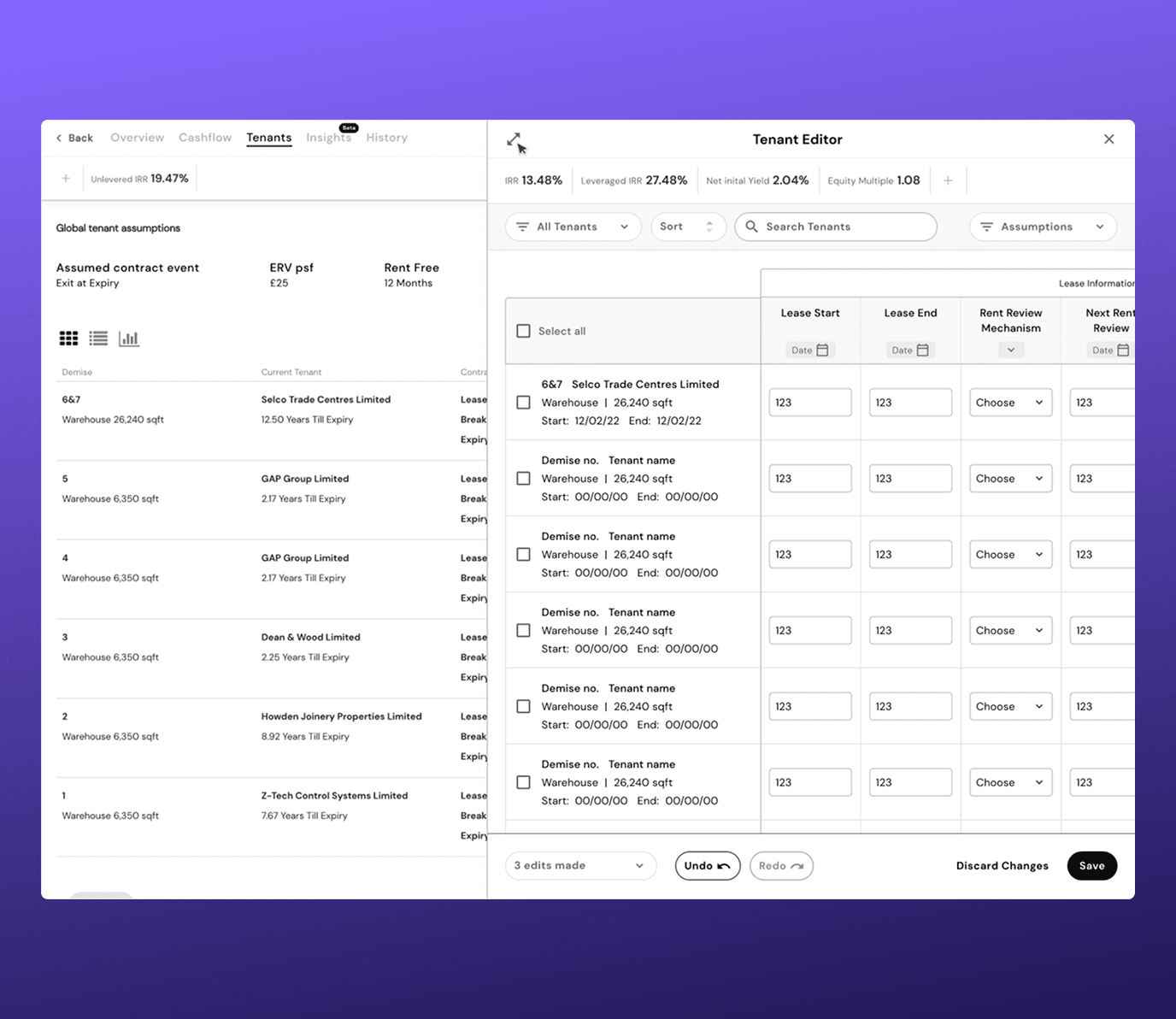
Everything lived in a single, heavy design file, which acted as a bottleneck rather than a source of truth. Key flows were incomplete, outdated, or hard to follow end to end, making it difficult to understand what was ready to build. Developers were often working without clear designs, relying on assumptions or partial mockups, which led to inconsistencies and rework. At the same time, product tickets lacked detail and context, and without a clear roadmap or prioritisation, work became reactive, making it difficult to align the team or build towards a cohesive product.
02
Solution
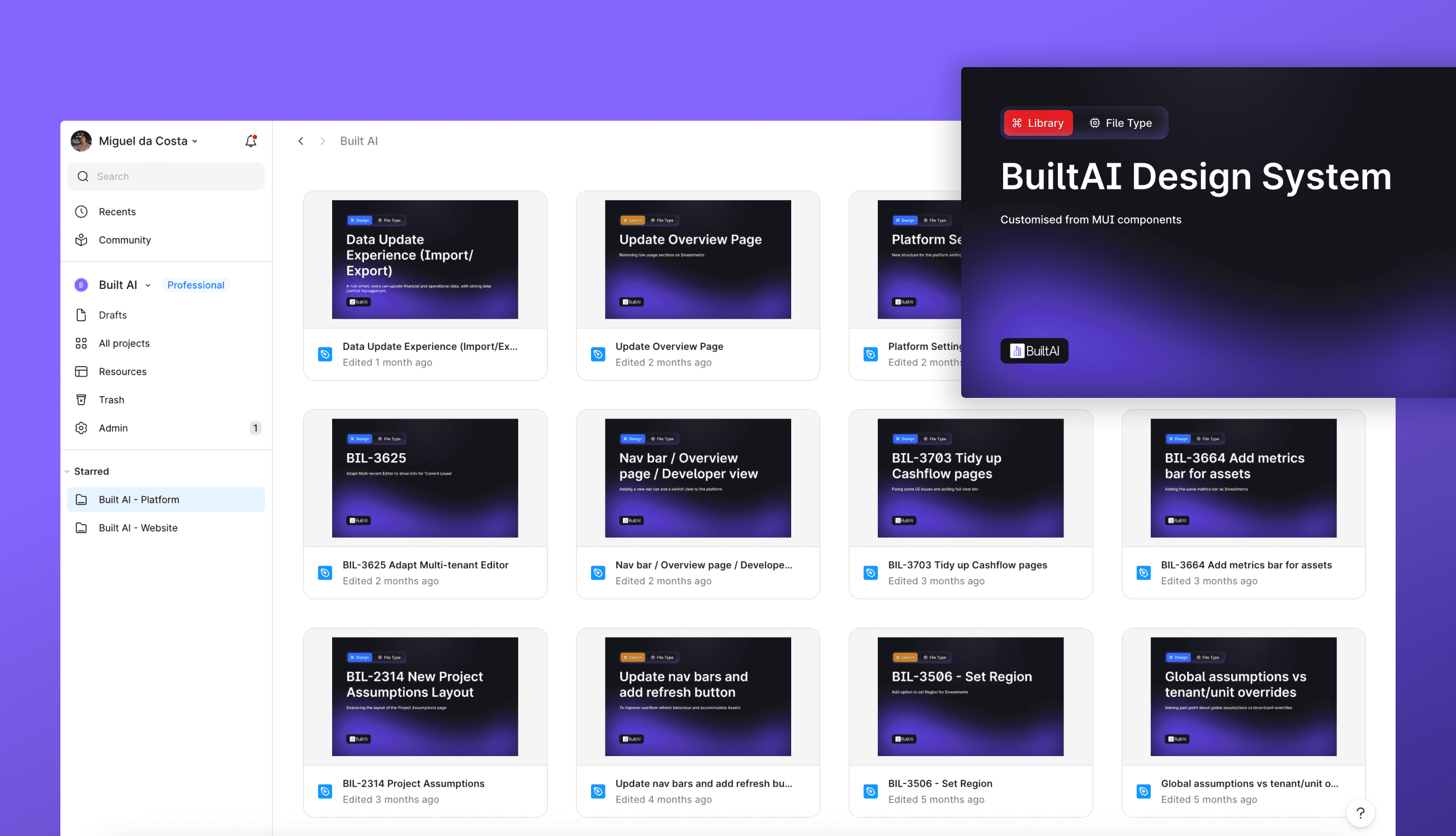
Introducing structure to the design process by creating a clear source of truth aligned with what was being built. This included setting up a scalable design system with reusable components, using MUI as a base since developers were already working with it, enabling more consistent implementation. Designs were broken down by Jira ticket so each piece of work had clear, complete, and actionable guidance. A higher level of detail in product tickets was also encouraged, reducing ambiguity and rework. This brought design and engineering into closer alignment, making delivery more predictable, consistent, and easier to scale.
03
Grouping components
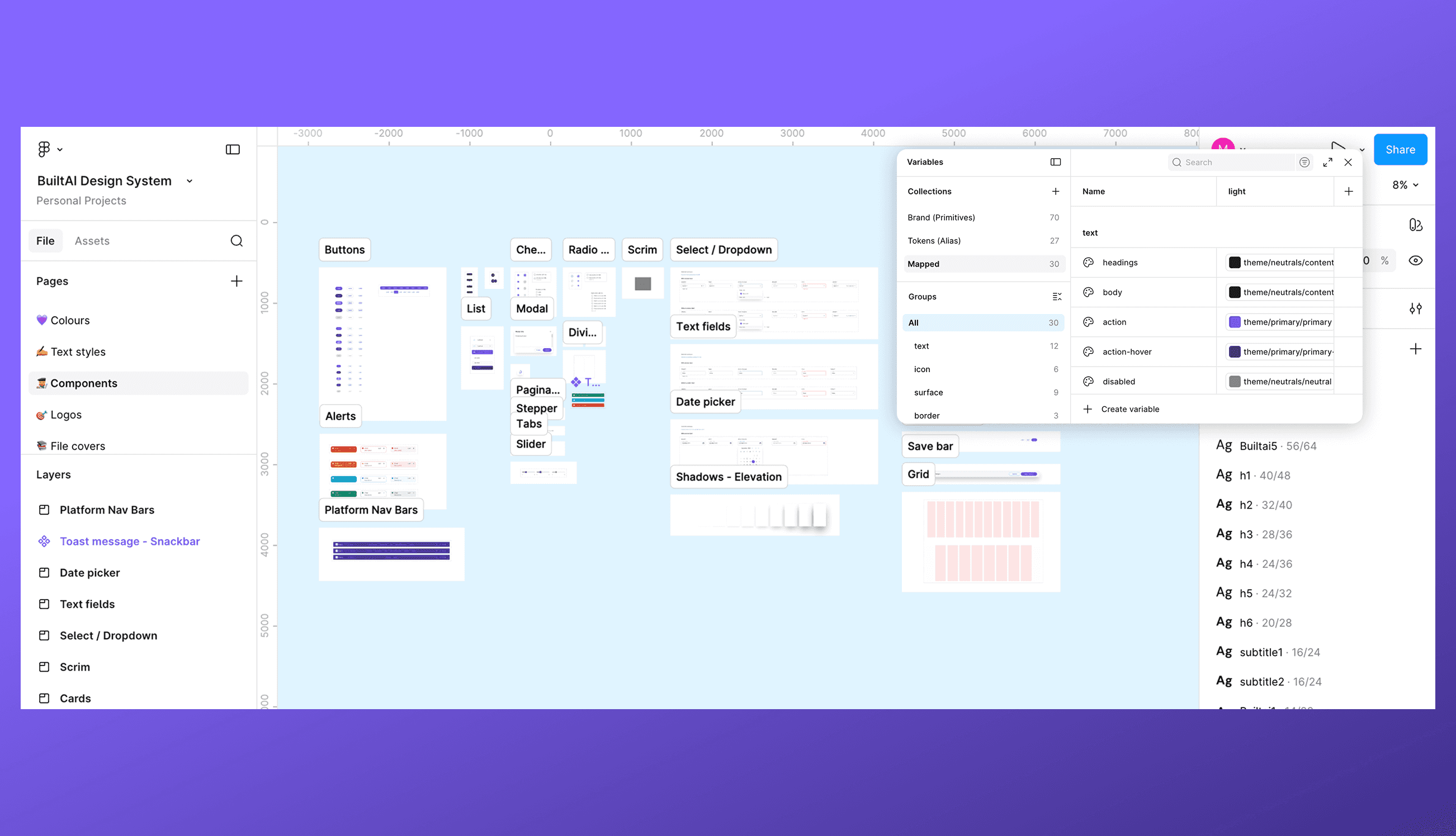
To bring consistency and scalability to the product, components were grouped into a structured design system built on top of MUI. Reusable patterns, tokens, and components were defined and organised by function. This reduced duplication, aligned implementation with design, and established a clear foundation for building and scaling features consistently across the platform.
04
A new scalable structure
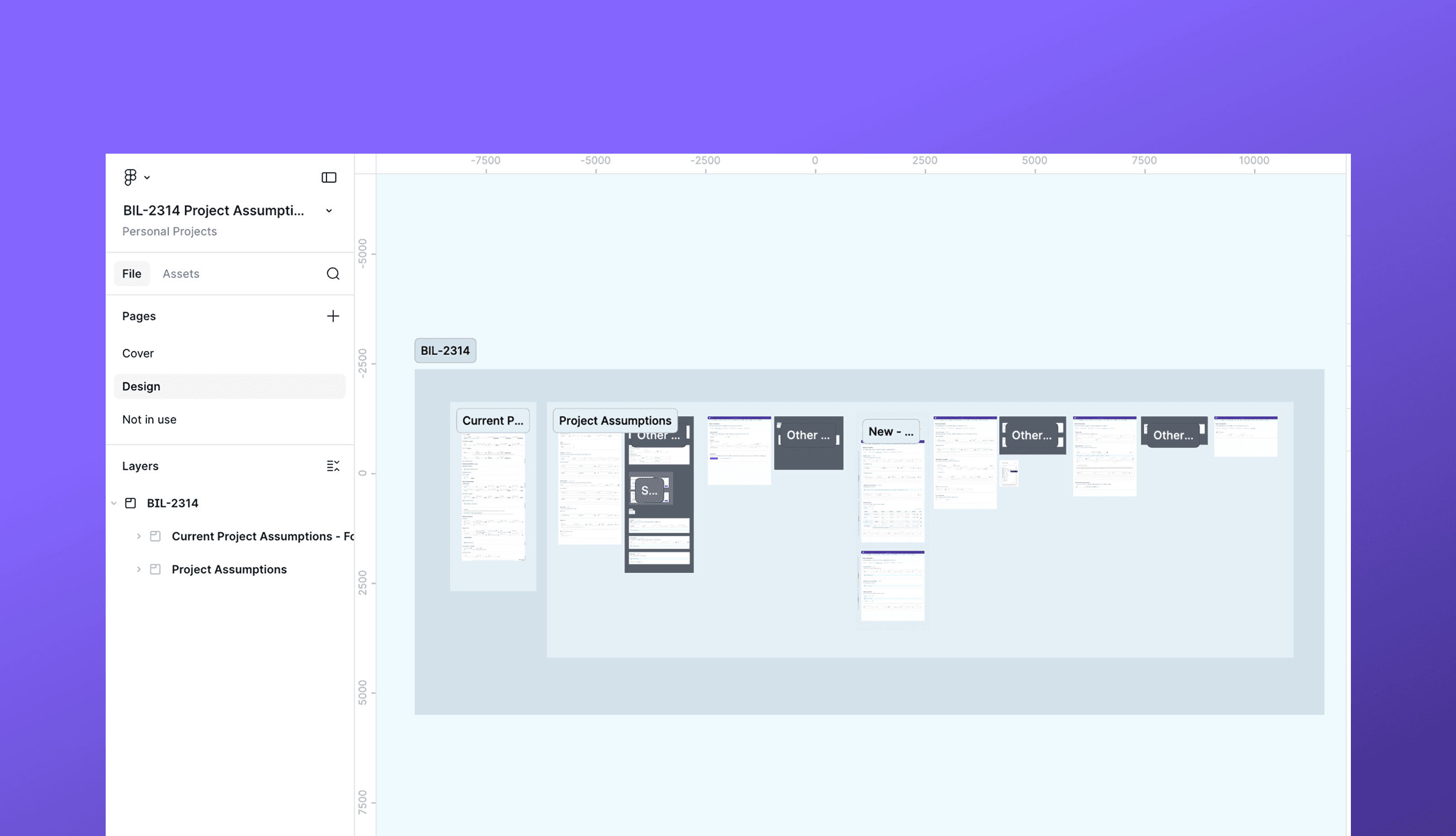
Now all design files follow a consistent structure, use components from the design system, and are organised per ticket, making them easy to track and reference within our product management workflow in Jira.